
A federal judge has ordered Texas to extend the application deadline for its new private school choice program by two weeks in response to a lawsuit alleging religious discrimination because the program has excluded Islamic schools.
The order from U.S. District Judge Alfred Bennett allows families to apply for education savings accounts from Texas’ new program until March 31. Bennett issued his order on Tuesday, hours before the initial application period was to close.
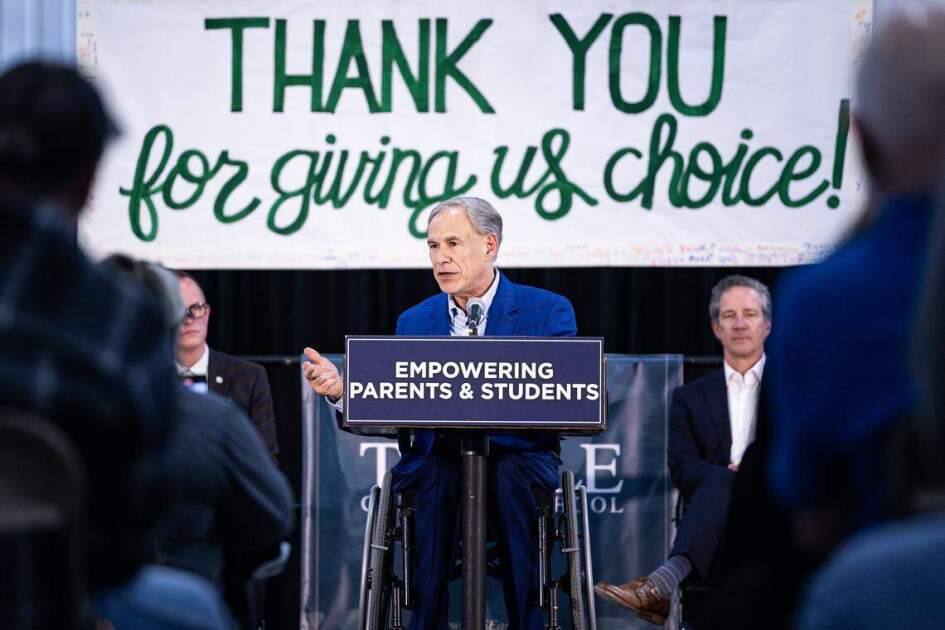
Texas is in the midst of launching the largest state private school choice program in the nation. Lawmakers there last year set aside $1 billion for the offering, through which families can qualify for about $10,000 to enroll their children in private school. Home-schooling families are eligible for $2,000, while families of students with disabilities can qualify for up to $30,000.
The families of more than 229,000 students have already applied, the Texas Tribune reported Tuesday.
Bennett’s order came in response to a lawsuit filed by three parents and three schools that argues no Islamic school had been approved to participate in the program. In a separate, earlier lawsuit, the father of two children who attend a Houston-area Islamic school made largely the same arguments. Bennett on Tuesday also ordered that the two cases be consolidated.
Both lawsuits name Acting Comptroller Kelly Hancock, who manages the program, as a defendant. Hancock excluded schools from the program citing ties to the Council on American-Islamic Relations, a civil rights group that Texas’ Republican governor, Greg Abbott, labeled a terrorist organization. CAIR is suing over the label, the Texas Tribune reported.
Hancock excluded the schools based on an opinion from Attorney General Ken Paxton, allowing him to bar schools based on ties to terrorist organizations and foreign adversaries. Neither the U.S. State Department nor the federal Department of Homeland Security have labeled CAIR as such.
“The lack of approved Islamic schools raises important questions about whether the program is being implemented in a fair, inclusive, and nondiscriminatory manner,” the Council on American-Islamic Relations Texas wrote in a press release after Bennett’s order. “We urge state officials to take immediate steps to ensure that faith-based schools, including Islamic institutions, are given a fair opportunity to participate.”
Hancock said in a statement that the “two-week extension will give families an additional opportunity to apply for the first year of school choice in Texas. We look forward to building on the record-setting demand for educational options that we have seen over the first six weeks.”
The lawsuits in Texas are unique because state private school choice programs more often face discrimination claims based on the ability of participating private schools to turn away students stemming from sexual orientation, gender identity, or disability status.
States that have been sued for discrimination argue that decisions about which students to admit are up to the private schools, said Paige Duggins-Clay, a chief legal analyst at the Intercultural Development Research Association, a Texas group that advocates for public schools.
In Texas, “the state itself made a determination that is arbitrary, baseless, [that] no Muslim- or Islamic-affiliated school can participate, and that categorically excludes many students,” she said. “The state is not even trying to hide its discriminatory intent in administering this program.”
Bennett’s order also attracted plaudits from those in favor of expanded private school choice.
“State officials have presented no compelling reason that Islamic schools should be excluded from the new school choice program, and extra time to make things right needs to be provided,” Neal McCluskey, the director of the Center for Educational Freedom at the libertarian Cato Institute, said in a statement.
More than 2,200 schools have signed up to participate in the Texas program, according to the state comptroller’s office.
Because there’s not enough funding for all student applicants, the state will award funds based on a lottery system that prioritizes students with disabilities and from low-income households.
2026-03-18 21:43:45
Source link