Close Menu
Education News Now

    Subscribe to Updates

    Get the latest creative news from FooBar about art, design and business.

    What's Hot

    Educator Layoffs Loom as Canceled Community Schools Grants Remain in Limbo

    January 17, 2026

    Bridging Early Literacy, Brain Research, and AI Innovation with Dr. Ola Ozernov-Palchik

    January 17, 2026

    In Trump’s First Year, at Least $12 Billion in School Funding Disruptions

    January 17, 2026
    Facebook X (Twitter) Instagram
    Facebook X (Twitter) Instagram Pinterest VKontakte
    Education News Now
    Facebook X (Twitter) Instagram
    Education News Now
    Home»Education»25 Ways to Use Sandbox AR in the Classroom
    Education

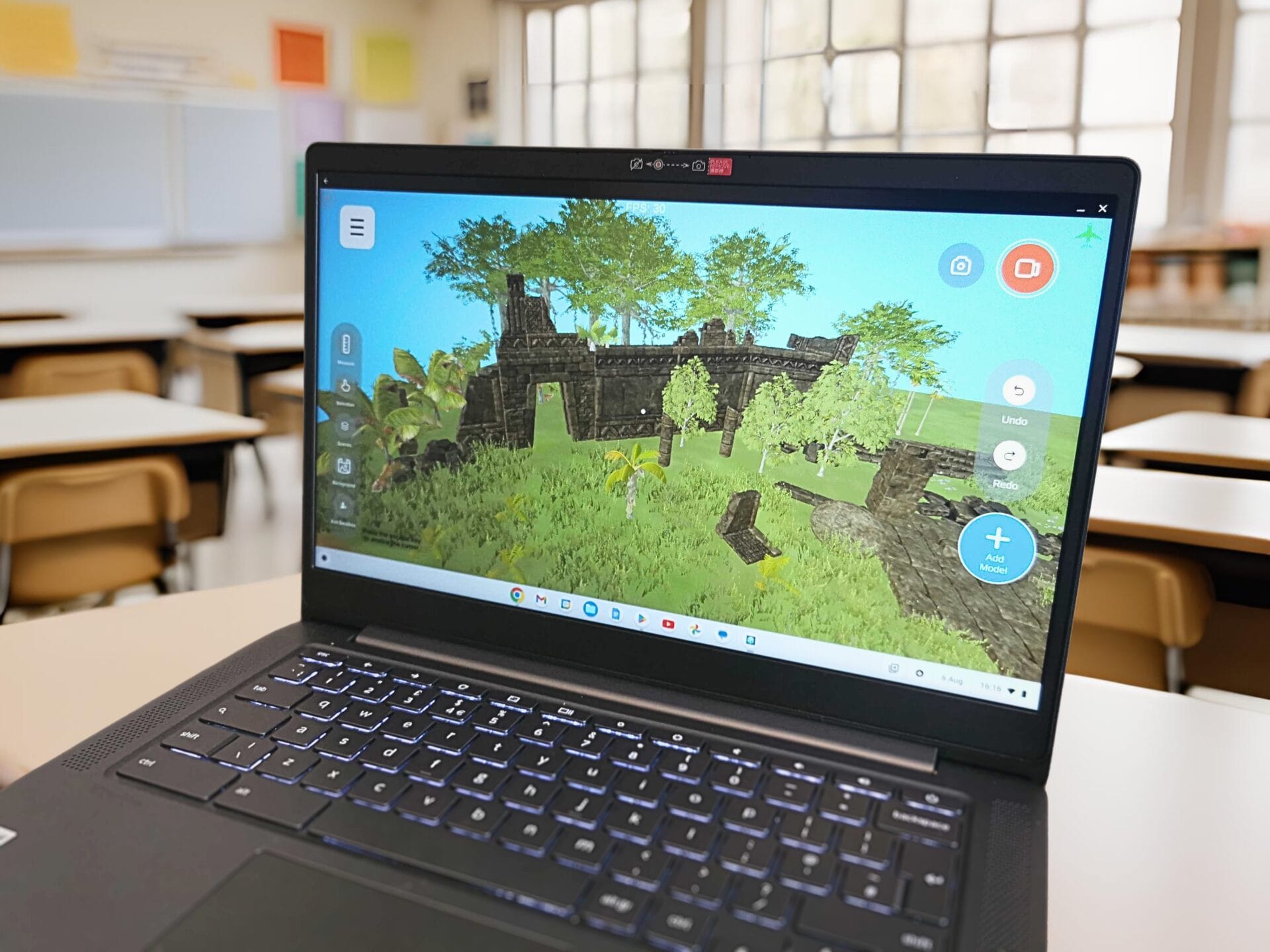
    25 Ways to Use Sandbox AR in the Classroom

    By Hannah McNaughton-HussainJanuary 31, 2025No Comments2 Mins Read
    Facebook Twitter Pinterest LinkedIn Tumblr Email
    Share
    Facebook Twitter LinkedIn Pinterest Email


     1. Experiential Learning

    84% of math and science teachers believe immersive technology improves student engagement and interest. Create simulations where students interact with their environment, like exploring a model of the solar system, or setting up a science experiment.

    2. Labelling

    Encourage students to label parts of scenes they build, such as the anatomy of an animal or parts of a diagram, reinforcing vocabulary and conceptual understanding. Alternatively, teachers can provide labels in the scene for students to match to the correct objects.

    3. Self-Expression

    Provide a blank canvas for students to express themselves by designing their own unique spaces, reflecting their interests, culture, and personality. Sandbox’s sharing feature means students can invite one another into their virtual worlds.

    4. Scavenger Hunts

    Set up scavenger hunts within a scene, encouraging students to search for hidden items or clues, promoting critical thinking and teamwork.

    5. Collaborative Creation

    Assign groups to co-create scenes, practicing teamwork and combining individual ideas into a shared virtual space. Pass around an iPad or Chromebook and have each student add something new.

    6. Debates

    Set up virtual “stages” for debates, where students can present visual evidence to support their arguments, and fully appreciate different perspectives. Why not stage a debate among pioneers at a real location on the Oregon Trail?

    Hannah McNaughton-Hussain 2025-01-29 23:17:15

    Source link

    Share. Facebook Twitter Pinterest LinkedIn Tumblr Email
    Hannah McNaughton-Hussain

      Related Posts

      Educator Layoffs Loom as Canceled Community Schools Grants Remain in Limbo

      January 17, 2026

      Bridging Early Literacy, Brain Research, and AI Innovation with Dr. Ola Ozernov-Palchik

      January 17, 2026

      In Trump’s First Year, at Least $12 Billion in School Funding Disruptions

      January 17, 2026

      Trump Signs a Law Returning Whole Milk to School Lunches

      January 16, 2026
      Add A Comment

      Comments are closed.

      New Comments
        Editors Picks
        Top Reviews
        Advertisement
        Demo
        • Contact us
        • Do Not Sell My Info
        • Term And Condition
        Copyright © 2026 Public Education News

        Type above and press Enter to search. Press Esc to cancel.